Your journey to Global Education Starts Here!


Your journey to Global Education Starts Here!
Find out what you neinternational recognized degree programs.
Master of Science in Engineering (MSc)
Master of Science in Engineering (MSc)
Bachelor of Science in Health Studies (BSc)
Bachelor of Science in Health Studies (BSc)
Bachelor of Arts in Business (BA)
Bachelor of Arts in Business (BA)
Bachelor of Science in Engineering (BSc)
Bachelor of Science in Health Studies (BSc)
Part Time
Master of Science in Engineering (MSc)
Diplomingenieur*in (DI)
Bachelor of Arts in Business (BA)
12 Bachelor's Degree Programs
10 Master's Degree Programs
Diplomingenieur/Diplomingenieurin (DI)
Bachelor of Science in Engineering (BSc)
12 Bachelor's Degree Programs
10 Master's Degree Programs
Bachelor of Science in Engineering (BSc)
Part Time
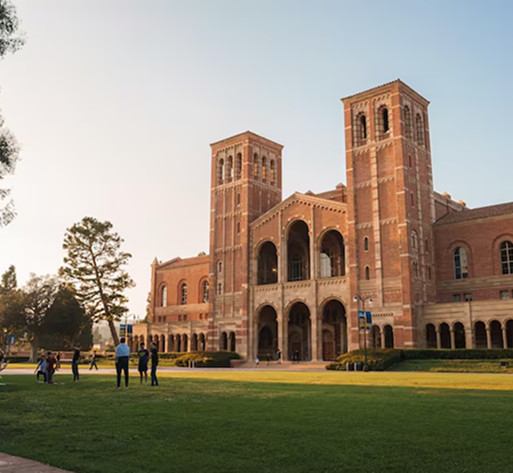
In 1635, Péter Pázmány, Archbishop of Esztergom, founded the university in the city of Nagyszombat (now Trnava in Slovakia), its seat at the time, and entrusted its management to the Jesuit order. The characteristically Jesuit university consisted of a liberal arts and theological faculty, was entitled to award academic degrees, and was supplemented very early, in 1667, with a law faculty. In the 18th century, the university increasingly came under state control, and in 1769 a fourth faculty, a medical faculty, was established - thus becoming a fully structured classical university.